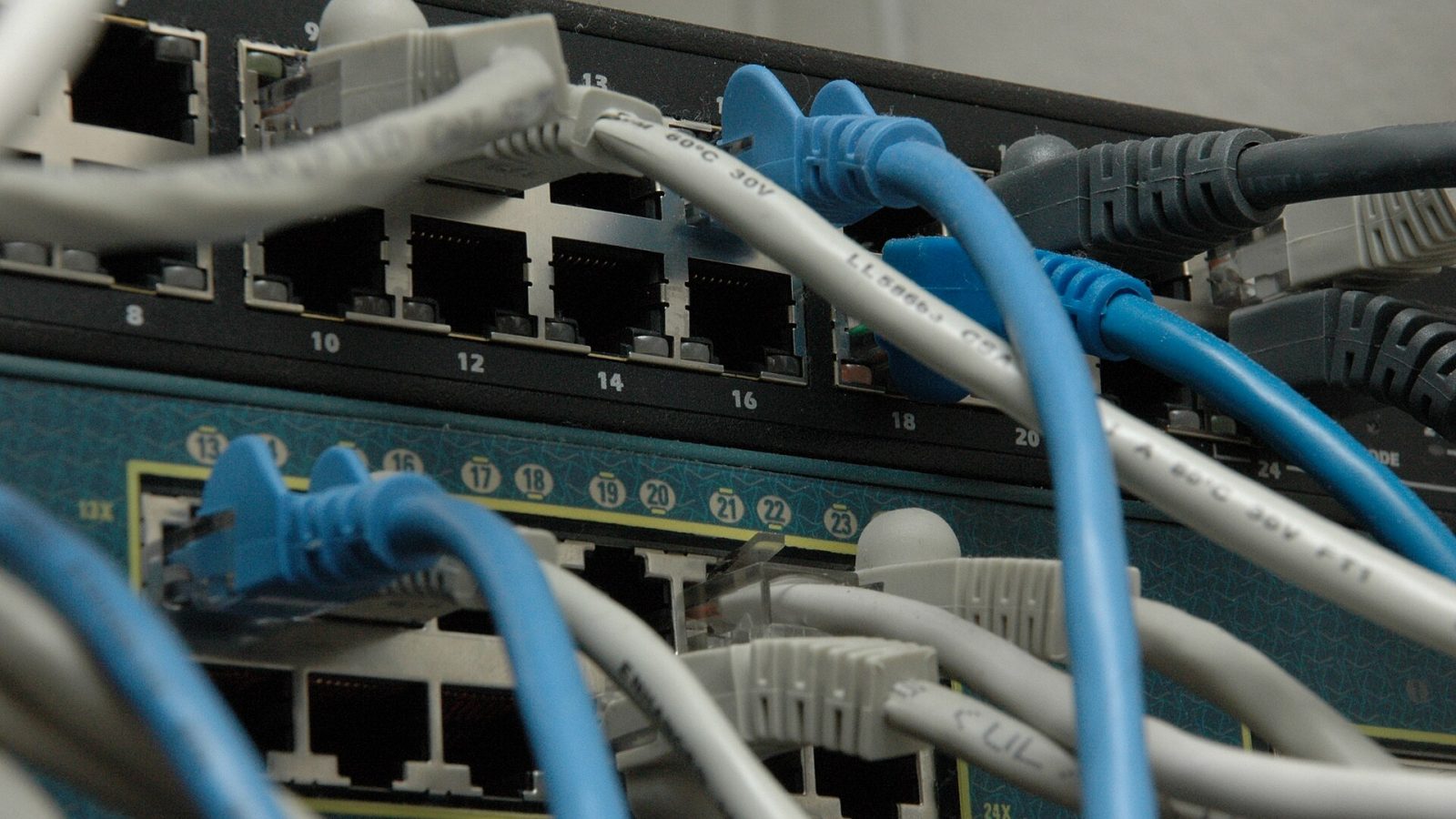
Our ERP Integration Services connect your ERP to the rest of your business — CRM, eCommerce, warehouse and logistics, payroll, banking, suppliers and analytics — so data flows automatically, accurately and securely. We replace fragile point-to-point links and spreadsheets with governed, monitored integrations that scale as you grow.
Using MuleSoft, SAP Integration Suite, Azure Integration Services and native ERP APIs, we design reusable integration patterns, error handling and monitoring so your teams can trust the numbers in every system.
Key Features of Our ERP Integration Services
Integration Architecture
An integration blueprint covering patterns, middleware, APIs, events and security, aligned to your wider IT strategy.
CRM-to-ERP (Lead-to-Cash)
Customers, products, prices, quotes, orders, invoices and payments synchronised between Salesforce or Dynamics and your ERP.
eCommerce & Marketplaces
Real-time stock, pricing and order integration with online stores and marketplaces, including returns and refunds.
EDI & B2B
Electronic data interchange with suppliers, customers, carriers and banks using standard formats and secure protocols.
Monitoring & Support
Dashboards, alerts, replay capability and runbooks so integration errors are spotted and resolved quickly.
Why choose Cirronex for ERP Integration Services?
Vendor-neutral advice
We work across SAP, Microsoft Dynamics 365 and other ERPs, so recommendations follow your needs — not a licence target.
Process before software
Current-state mapping and future-state design workshops come before configuration.
Data you can trust
Data cleansing, migration rehearsals and reconciliation sign-offs are built into every plan.
Connected to everything
CRM, eCommerce, WMS, payroll and banking integrations designed as part of the ERP — not an afterthought.
How we deliver
Every ERP engagement follows the same transparent, five-stage approach. You always know what happens next, who is responsible and how progress is measured.
- DiscoverWorkshops with stakeholders, a review of your current platform and data, and a prioritised list of opportunities.
- DesignTarget solution, architecture and integration blueprint, plus a costed delivery plan with clear milestones.
- Build & testAgile sprints with fortnightly demos, automated tests and peer-reviewed configuration and code.
- Deploy & adoptCut-over planning, data migration, training and in-app guidance so people actually use the new solution.
- Run & improveHypercare followed by optional managed services, monthly reporting and a continuous-improvement backlog.
Technologies and capabilities
- SAP S/4HANA
- SAP Business One
- Microsoft Dynamics 365 Finance & Operations
- Dynamics 365 Business Central
- NetSuite
- Power Platform
- Azure Integration Services
- MuleSoft
- REST / OData APIs
- EDI
- Power BI
- SQL Server
Frequently Asked Questions
Which integration tools do you use?
We are tool-agnostic and frequently use MuleSoft Anypoint Platform, SAP Integration Suite, Azure Integration Services and native ERP APIs, choosing the best fit for your landscape.
Can you integrate a legacy ERP?
Yes. We can integrate older systems using database, file, message-queue or API approaches, and wrap them with modern APIs to make future migration easier.
How do you handle integration errors?
Every integration includes validation, retry logic, dead-letter handling, alerts and a clear support process, so failed messages are never silently lost.
Is real-time integration always necessary?
No. We recommend real-time, near-real-time or batch patterns based on business need, volume and cost, and often combine them.
How secure are the integrations?
We apply encryption in transit, strong authentication such as OAuth 2.0 and mutual TLS, least-privilege access, and logging that supports audit and GDPR requirements.